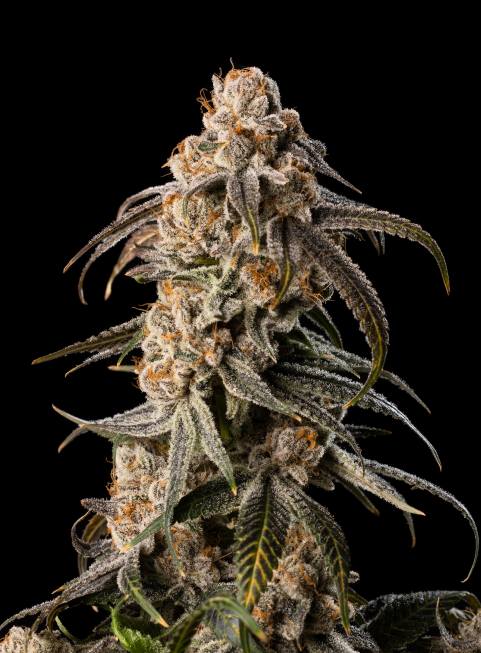
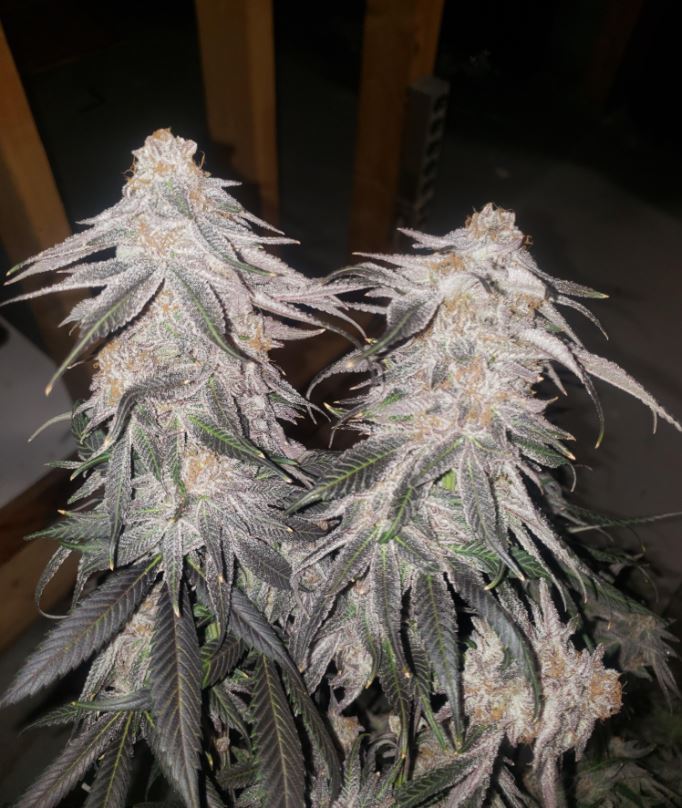




This is a sample article layout, ready for real content. It demonstrates the single-post template — headings, body copy, pull quotes, lists, and imagery — styled to match the rest of the site. Replace this block with your published article and everything will inherit the same typography and spacing automatically.
Purple Punch rewards growers who pay attention to the small things. The difference between a forgettable run and a jaw-dropping one rarely comes down to a single dramatic decision. It’s the accumulation of late-flower choices — temperature swings, harvest timing, and how gently the flower is handled after the cut.
Trichome maturity is the whole game
Under magnification, trichome heads move from clear to cloudy to amber. Cloudy heads with only a touch of amber usually mark the sweet spot for Purple Punch: peak THCA with the terpenes still bright and volatile. Wait too long and the high turns heavier and more sedative as compounds degrade.
The flower tells you when it’s ready. Your job is to learn its language before the calendar makes the decision for you.
Coax the color with cool nights
Those signature violets aren’t guaranteed — they’re earned. As flowering winds down, dropping nighttime temperatures into the low 60s°F encourages anthocyanin pigments to flood the bracts. Genetics set the ceiling; your environment decides how close you get to it.
A quick late-flower checklist
- Trellis early — the colas get heavy and will fold without support.
- Keep airflow moving through dense canopy to prevent bud rot.
- Cool the nights in the final two weeks for deeper color.
- Check trichomes daily once you’re close, not weekly.
- Dry slow and low to protect the candy-grape terpenes.
Do these consistently and you’ll understand why Purple Punch became a legend in the first place — and why a well-grown jar of it still stops people in their tracks.